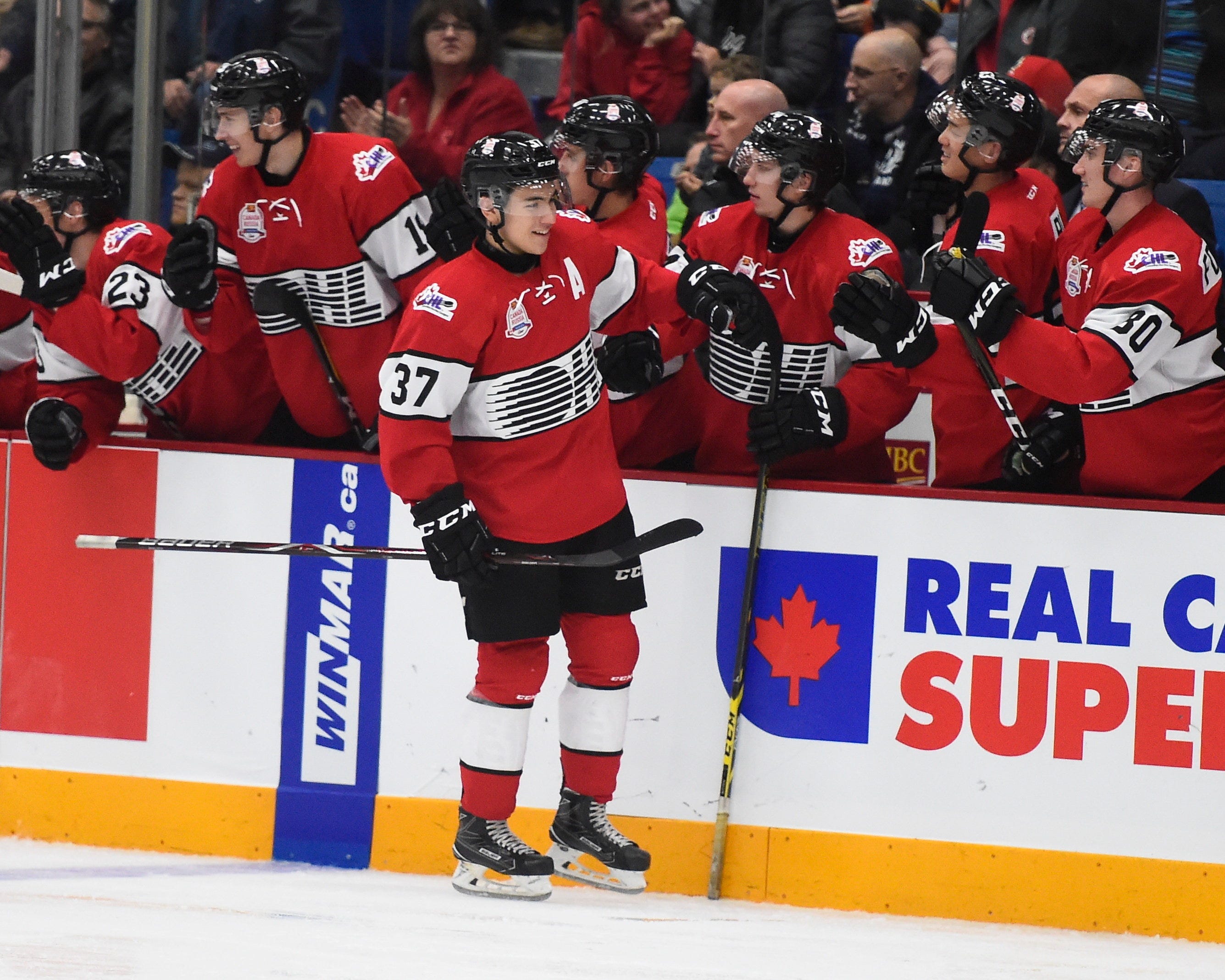
Midway through a hostile third period inside the Sleeman Centre during the Guelph Storm march to the OHLChampionship in the spring of 2019, the penalty kill breaks down, the building is vibrating with tension, and two forecheckers converge on Nick Suzuki along the half-wall at full speed.
Most junior players chip the puck off the glass to survive the hit. Suzuki doesn’t even flinch. He catches the puck on his backhand, cuts back against the grain, allows the first checker to fly completely past him, and waits—holding possession for an extra beat until a cross-ice seam opens wide. With a crisp tape-to-tape pass, the pressure evaporates, and the counter-attack begins.
That single sequence encapsulates everything Nick Suzuki has always been: calculated, unhurried, and operating two steps ahead of the chaos.
When the Montreal Canadiens named Suzuki the 31st captain in franchise history on September 12, 2022, outsiders fixated on the age: 23 years old, the youngest player ever entrusted with the “C” in hockey’s most storied market. Those who tracked his path through the Ontario Hockey League weren’t surprised in the slightest. Suzuki never commanded an arena through loud speeches or crushing hits. His authority has always been cerebral, defined by spatial command, low-penalty discipline, and an uncanny ability to adapt under pressure. Long before leading an NHL dressing room, Suzuki engineered his leadership model across four junior seasons in Owen Sound and Guelph—proving that true command begins with processing the game faster than anyone else on the ice.

The Bayshore Foundation: Earning Trust Through Detail
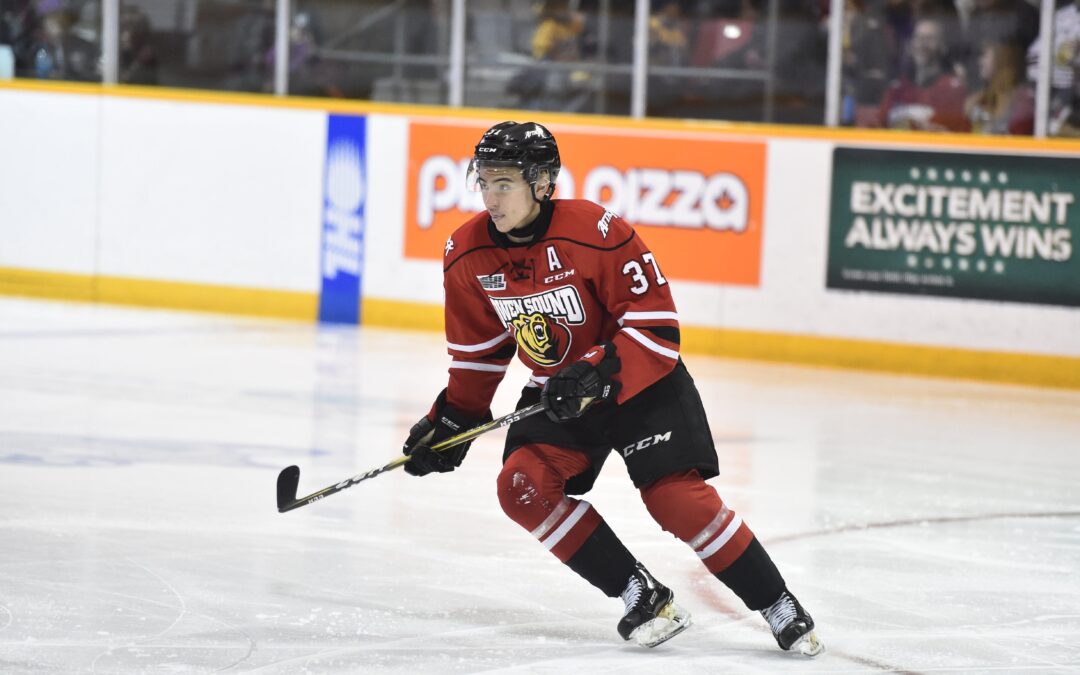
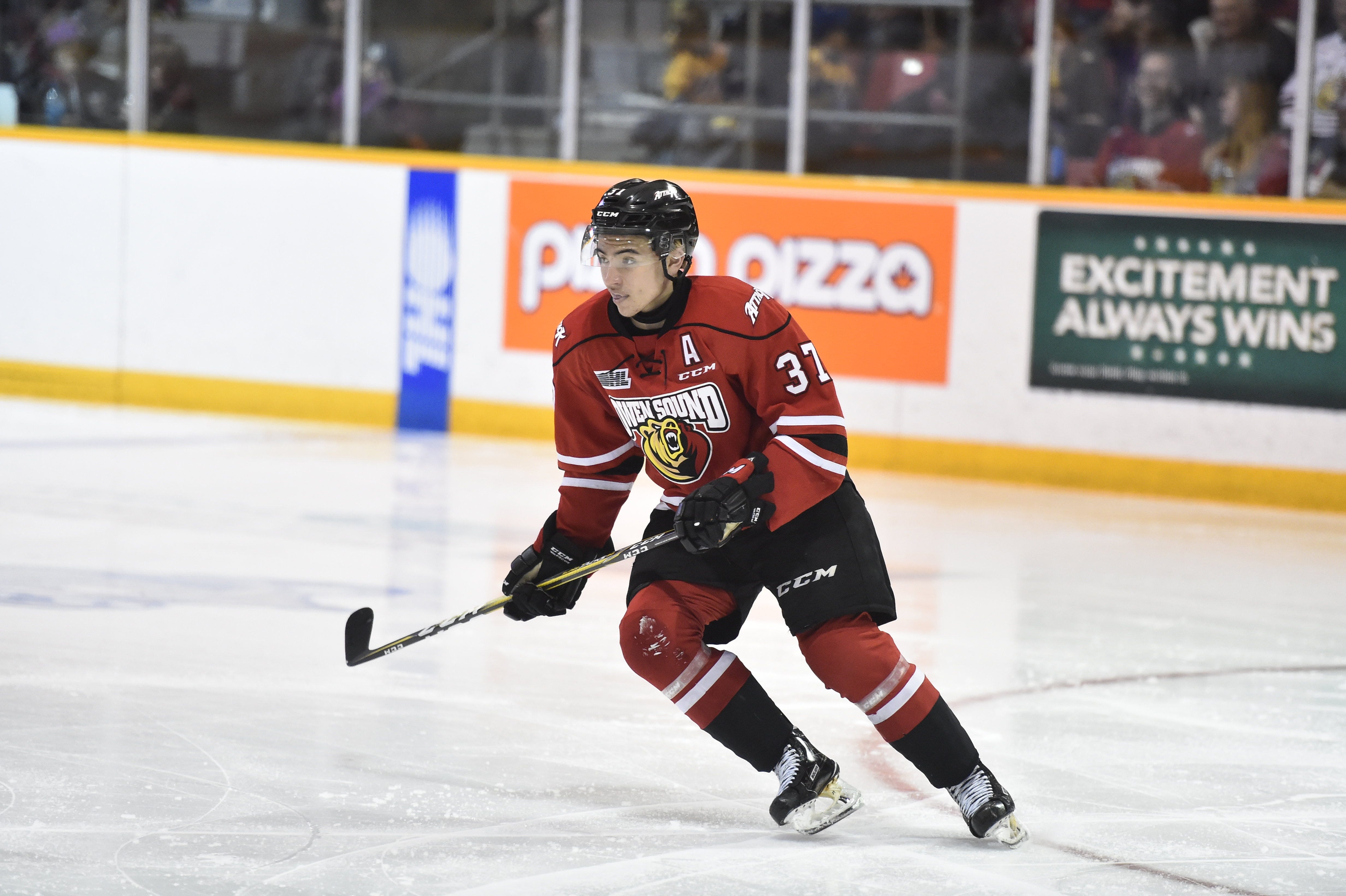
Selected 14th overall by the Owen Sound Attack in the 2015 OHL Priority Selection, Suzuki entered the league carrying questions about size and foot speed. Attack General Manager Dale DeGray saw through the noise immediately, betting entirely on processing power.
“He was arguably one of the smartest visionary sort of kids in the OHL draft,” DeGray noted at the time. “You don’t teach hockey sense at that level; you either see the ice that way or you don’t.”
Under head coach Ryan McGill at the Harry Lumley Bayshore Community Centre, Suzuki did not ask for authority—he earned it through habits. While other draft-eligible scorers chased highlights, Suzuki focused on defensive positioning and discipline. His junior trajectory wasn’t an overnight spike; it was methodical progression: 20 goals as a rookie, 45 in his sophomore year, and 100 points as an 18-year-old.
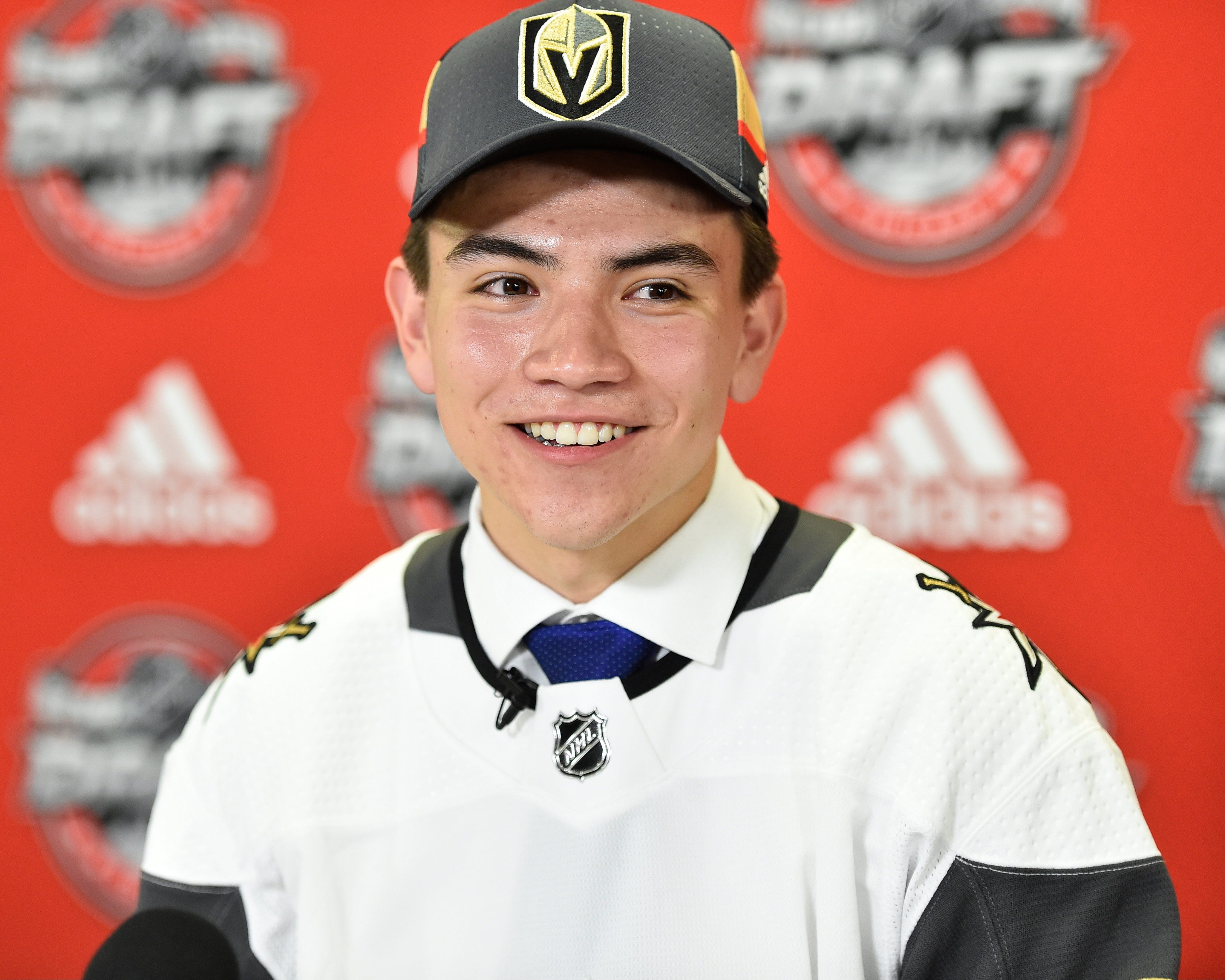
That steady progression caught the eye of the Vegas Golden Knights, who selected Suzuki 13th overall in the 2017 NHL Draft as one of their historic inaugural first-round picks. Yet before ever skating in a regular-season game for Vegas, Suzuki experienced the volatile business of professional hockey: in September 2018, the Golden Knights traded him to Montreal as the centerpiece prospect in the blockbuster deal for Habs captain Max Pacioretty.
Instead of letting the trade disrupt his focus or entering Montreal with unearned entitlement, Suzuki treated the moment as added motivation to refine every dimension of his game. By the time he wore the captain’s “C” for the Attack in the fall of 2018, his leadership identity was fully formed: elite execution combined with absolute emotional control, underscored by winning the William Hanley Trophy three consecutive years as the OHL’s Most Sportsmanlike Player.
“From training camp on, all he did was get better every day,” McGill recalled. “He’s an absolute coach’s dream when it comes to commitment to detail, practice habits, and hockey IQ. When you look down the bench, he was the player you put over the boards in every single situation.”
The Guelph Inflection Point: Playoff Mastery
The ultimate test of leadership arrived in January 2019, when Owen Sound dealt Suzuki to George Burnett’s Guelph Storm for an all-in championship push.
Mid-season trades can strain dressing room chemistry, but Suzuki walked into the Sleeman Centre, integrated seamlessly into the existing leadership group, and elevated everyone around him.
What followed that spring remains one of the most resilient runs in junior hockey history. Guelph faced elimination repeatedly—rallying from a 3-0 series deficit against London, overcoming a 3-1 deficit against Saginaw, and battling back from 2-0 down against Ottawa in the finals. Through every deficit, Suzuki was the unflappable stabilizer.
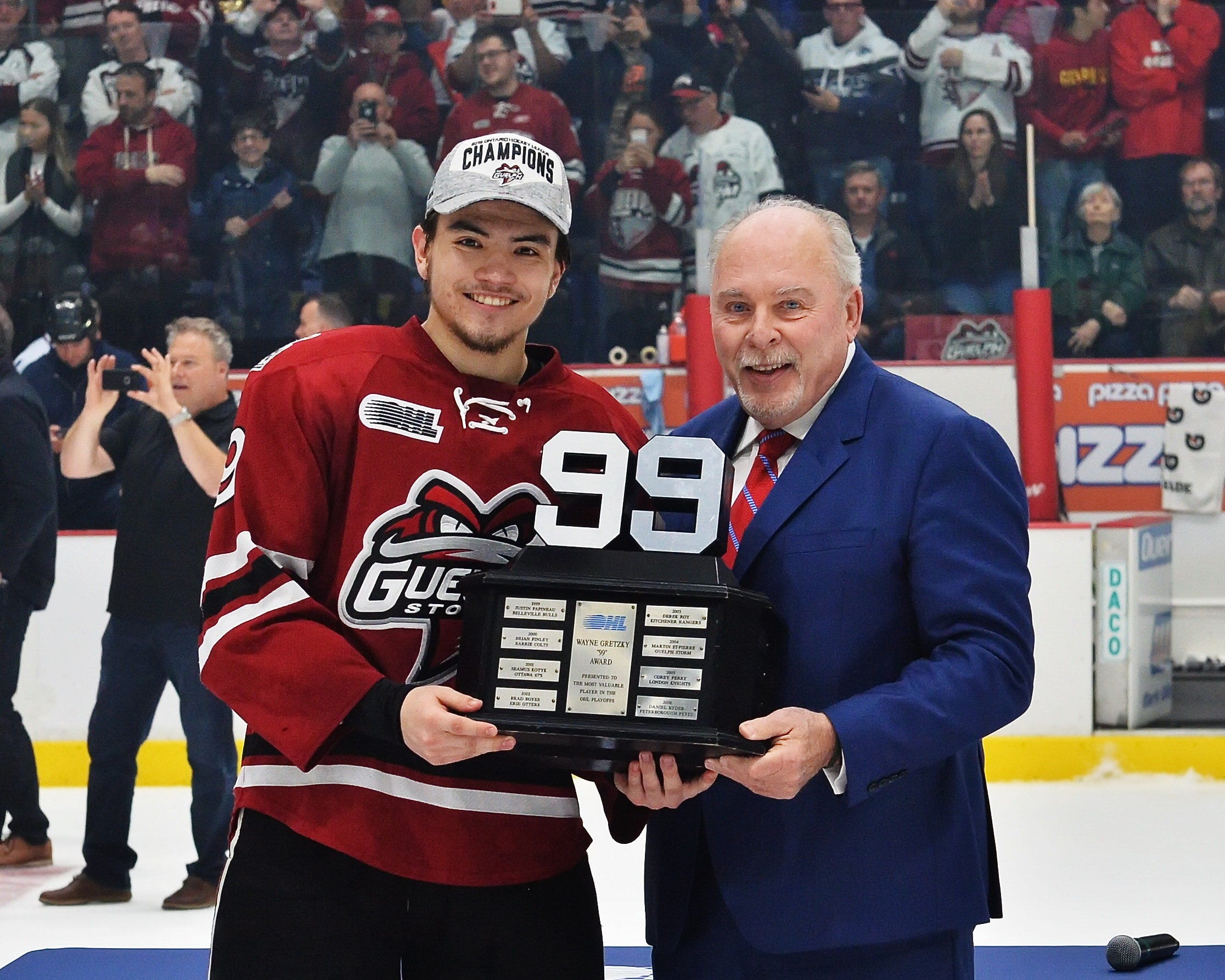
He didn’t panic when trailing; he slowed the pace down. Operating with pinpoint vision from the half-wall and the slot, he compiled an astonishing 42 points (16 goals, 26 assists) in 24 playoff games. He hoisted the J. Ross Robertson Cup and earned the Wayne Gretzky 99 Award as the OHL Playoff MVP. The run validated his ability to carry the emotional and tactical weight of a championship room when the stakes were highest.
The Blueprint Translates to Montreal
The leadership habits Suzuki refined in the OHL became the exact foundation Montreal built around:
-
Patience Under Pressure: Mark Seidel of North American Central Scouting noted before the 2017 draft that Suzuki never panicked along the boards, waiting for passing lanes to appear that other players didn’t know existed. That spatial awareness became his calling card in the NHL, allowing him to dictate pace against top defensive pairs.
-
Leading by Process, Not Volume: In junior, Suzuki set an example through practice habits and detail. That same quiet accountability earned the instant respect of veterans like Brendan Gallagher and Shea Weber when Suzuki entered the Canadiens’ room.
-
Championship Poise: Winning the Wayne Gretzky 99 Award during Guelph’s grueling comeback run proved that his pulse rate never spikes when facing elimination. He manages games through cold calculation rather than emotional overreaction.
-
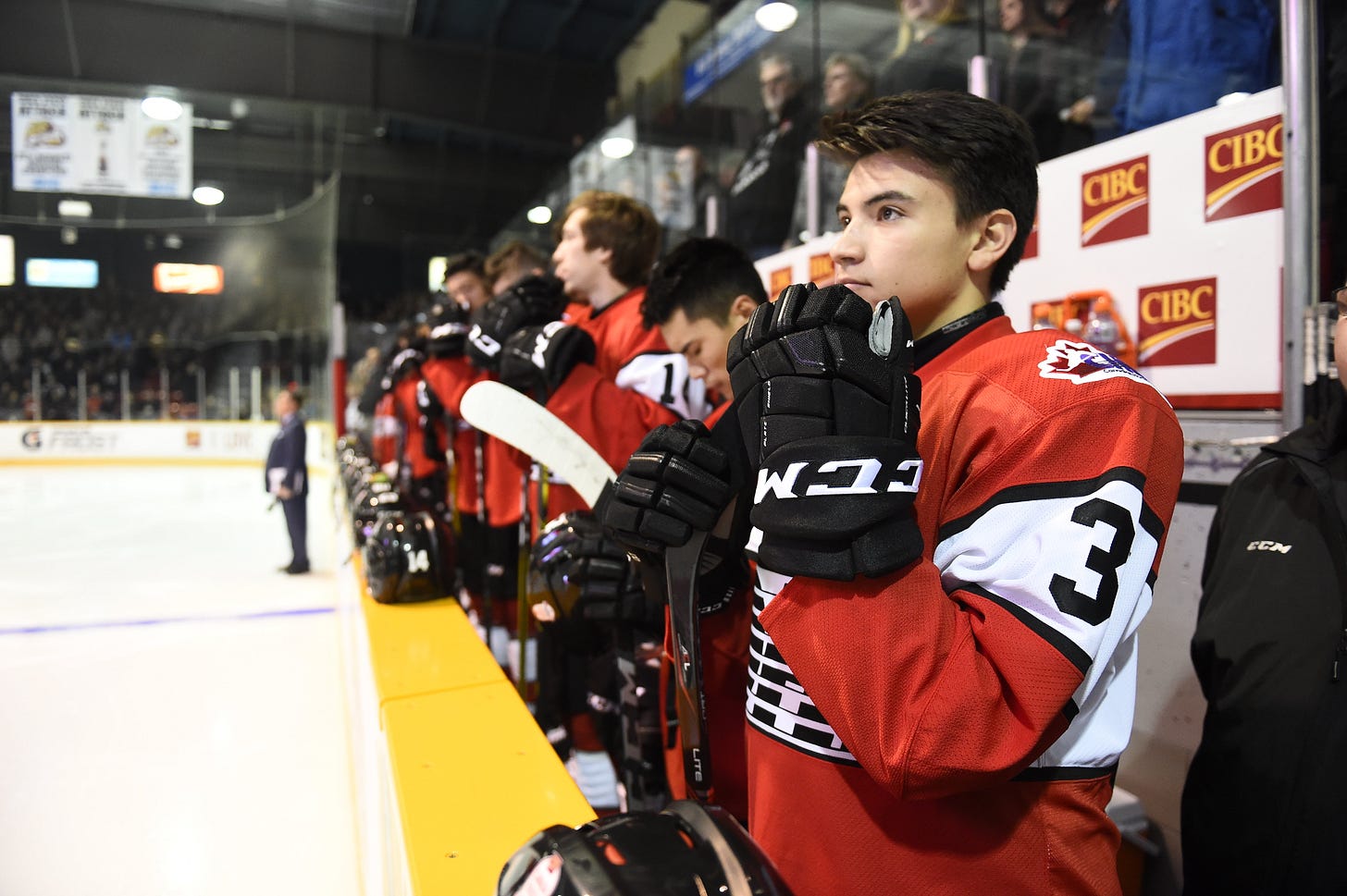
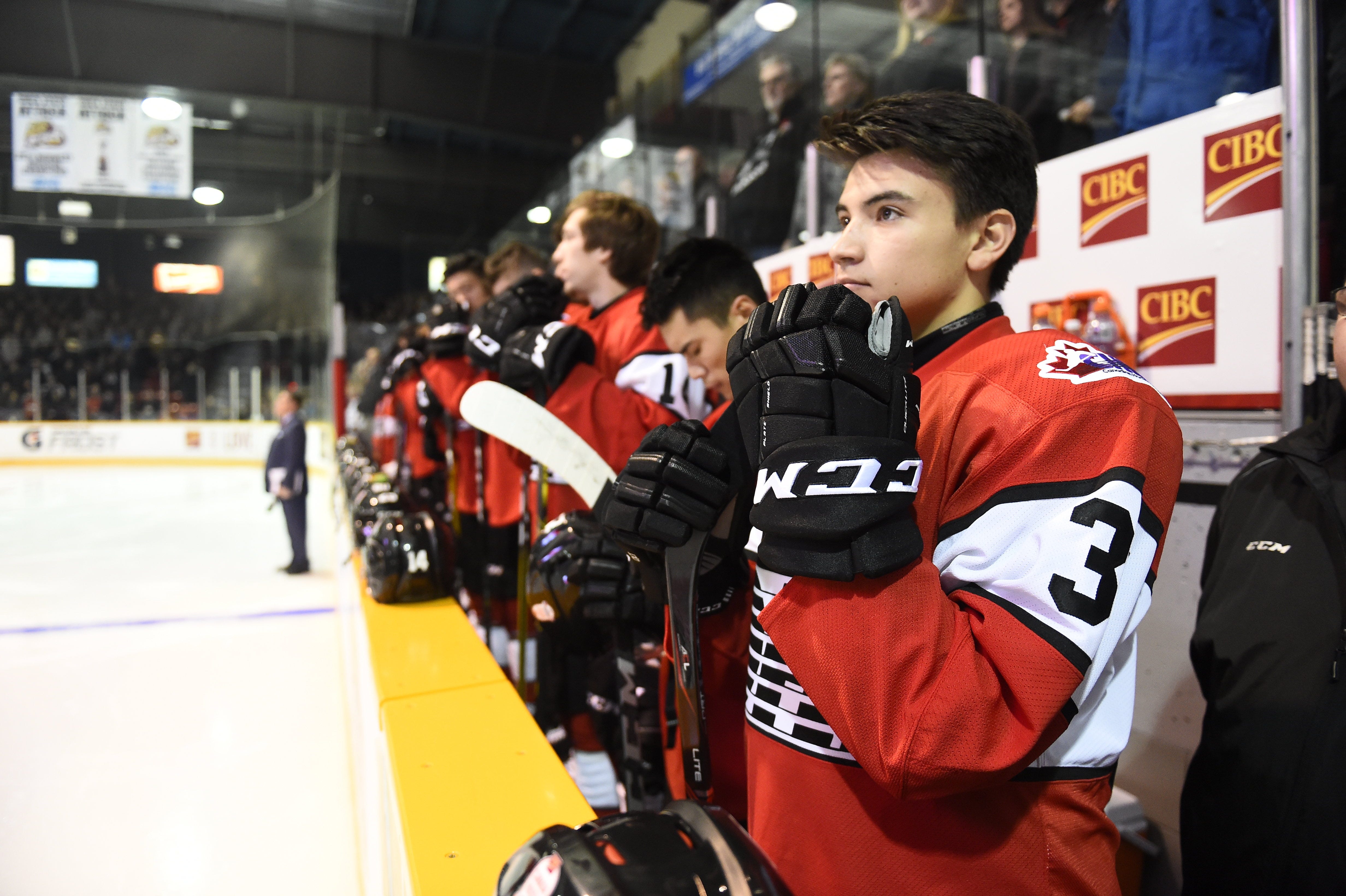
The letters on an NHL sweater are often handed out for tenure or volume. In Nick Suzuki’s case, the “C” in Montreal was earned shift by shift, detail by detail, through an OHL apprenticeship that proved composure is the highest form of leadership.
Photography: Aaron Bell & Terry Wilson/OHL Images