The Half-Wall Anchor
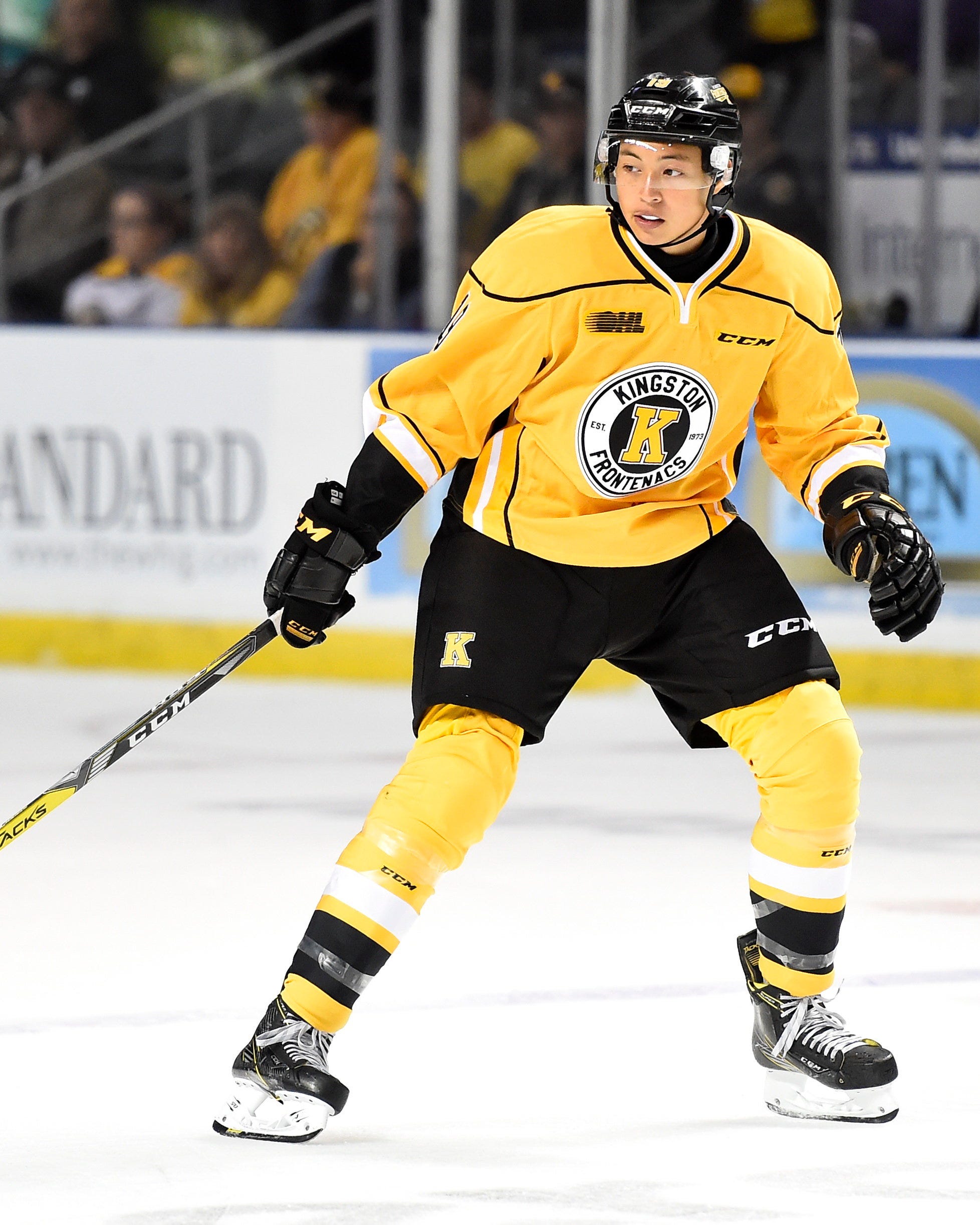
Jason Robertson leans his frame against the boards and pins the puck against the dasher. A defenceman presses into his back, hunting for a turnover. Robertson absorbs the contact with his lower body, turns his shoulders toward open ice, and secures possession.
He plants his skates wide, building a barrier between the checker and the puck. His head stays up while he absorbs contact along the glass.
Scouts in the stands watch his feet. He manipulates space along the perimeter using his reach and puck-protection mechanics.
He uses the boards as a backstop. With one wrist snap, the puck moves off the wall into the high slot for an open scoring chance.
From Arcadia to Don Mills
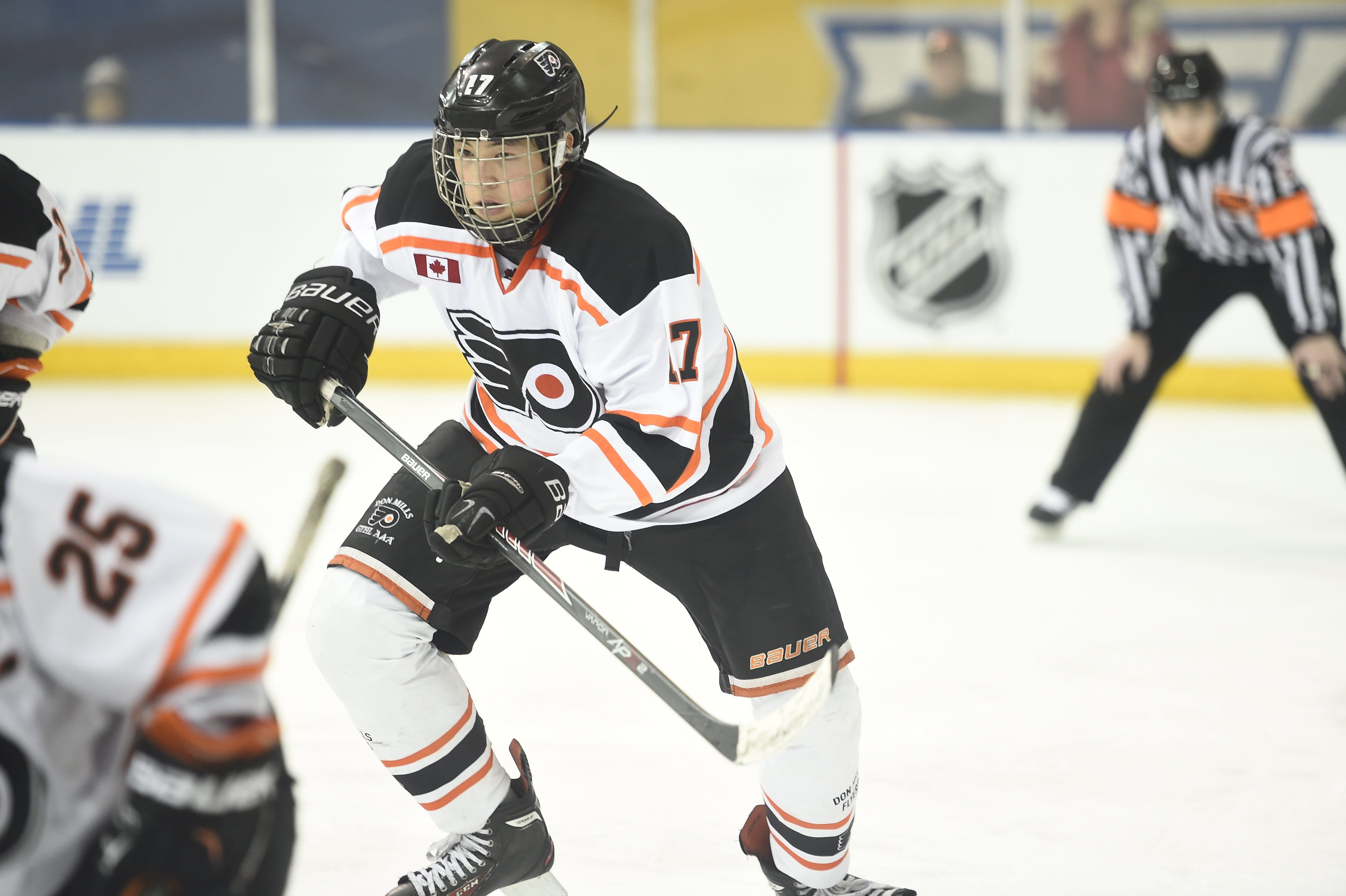
Robertson was born in Arcadia, California, but his family established his hockey foundation in Northville, Michigan. To face top pre-junior competition, he crossed into southern Ontario to skate for the Don Mills Flyers U16 AAA program.
The Greater Toronto Hockey League exposed stride mechanics. In minor midget, opponents tested his lateral mobility in every neutral-zone exchange.
The Don Mills system demanded positional discipline. Defencemen in the GTHL closed gaps fast, forcing rapid puck movement.
Robertson adapted by processing his options before the pass reached his blade. He perfected the give-and-go and learned to shield checkers with his hip.
Scouts tracked his heavy shot and puck protection along the perimeter. They also noted his mechanical limitations.
He lacked pure foot speed and explosive acceleration. Reports focused on his sluggish first steps and limited separation gear.
Photos by Aaron Bell & Terry Wilson/OHL Images.
The Kingston Foundation
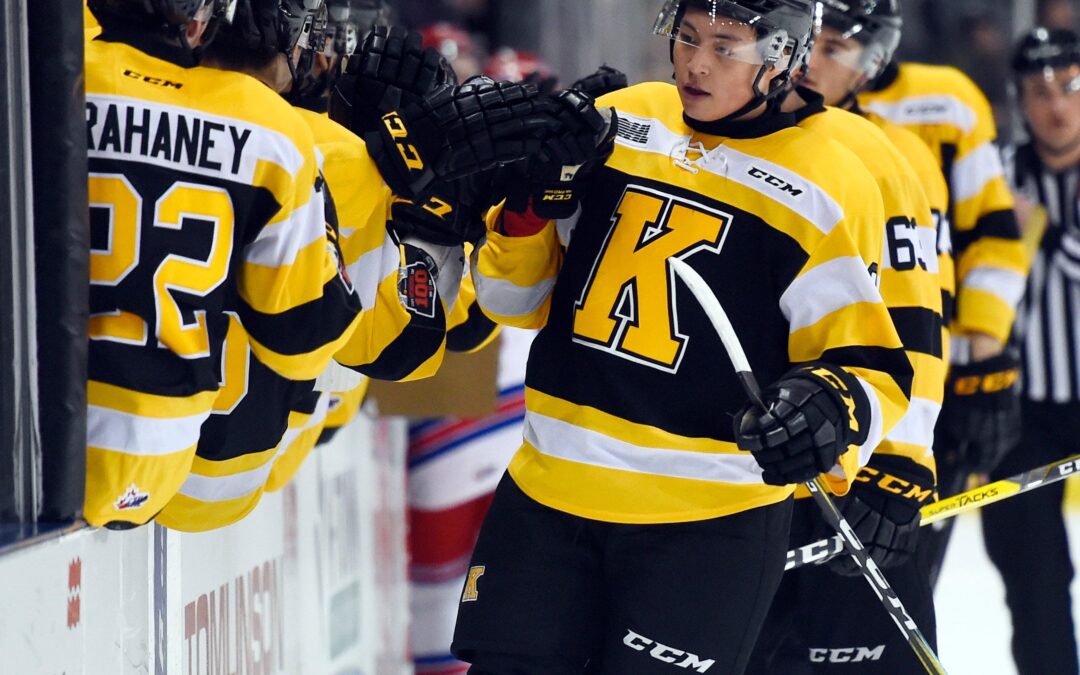
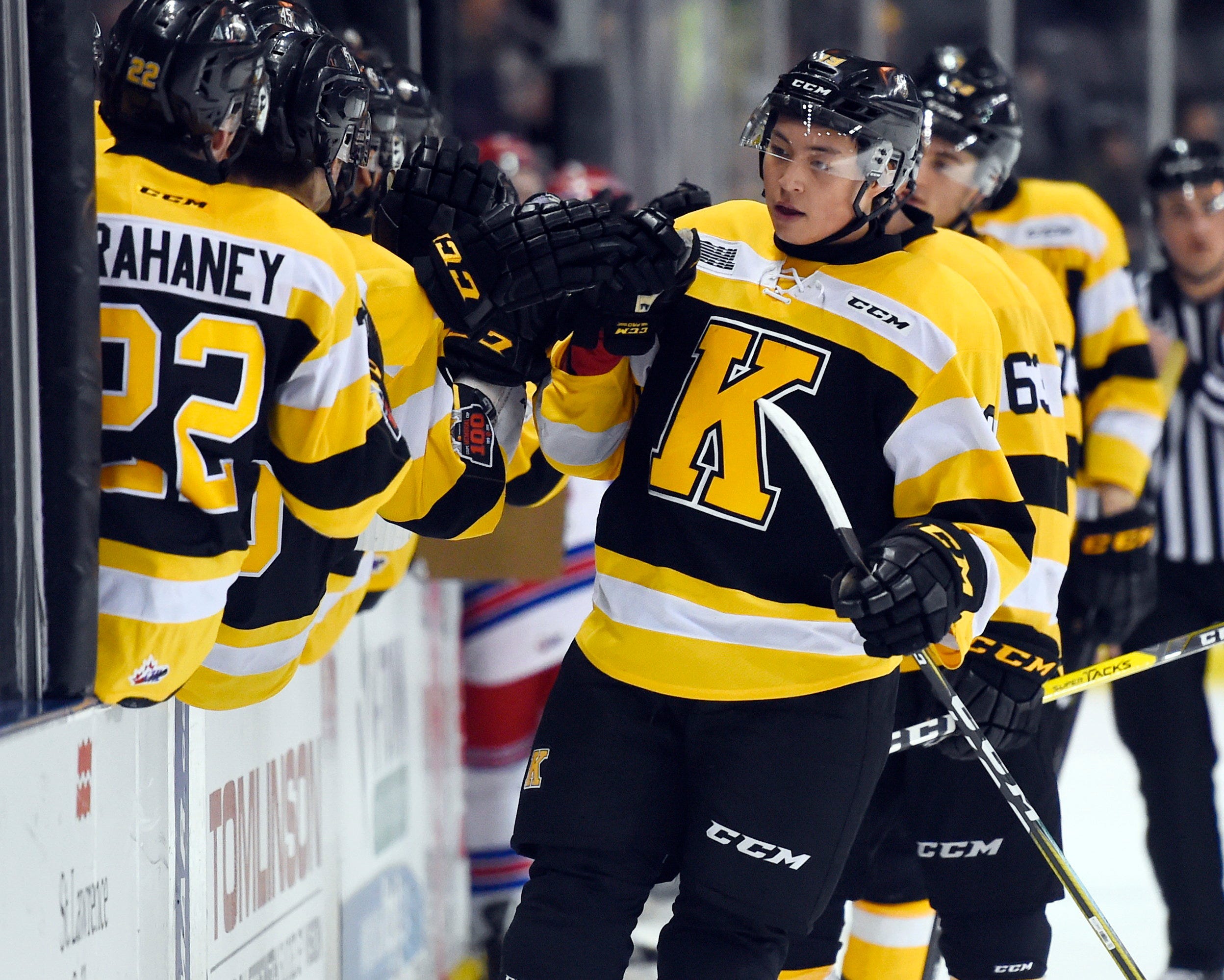
The Kingston Frontenacs selected Robertson in the fourth round, 62nd overall, in the 2015 Ontario Hockey League Priority Selection. The franchise provided an immediate developmental test in eastern Ontario.
The physical toll of major junior hockey challenges first-year forwards. Robertson earned regular ice time throughout his 2015-16 rookie campaign.
He recorded 18 goals and 14 assists in 54 games to lead all Kingston rookies in scoring.
The 18 goals established a modern club milestone. They were the most by a 16-year-old Frontenacs rookie since Anthony Stewart scored 19 in 2001-02.
Robertson carved out early offensive zone minutes around the crease. He converted rebounds and finished broken plays off the cycle.
He secured loose pucks between the faceoff circles and directed shots on net before goaltenders could square their pads.
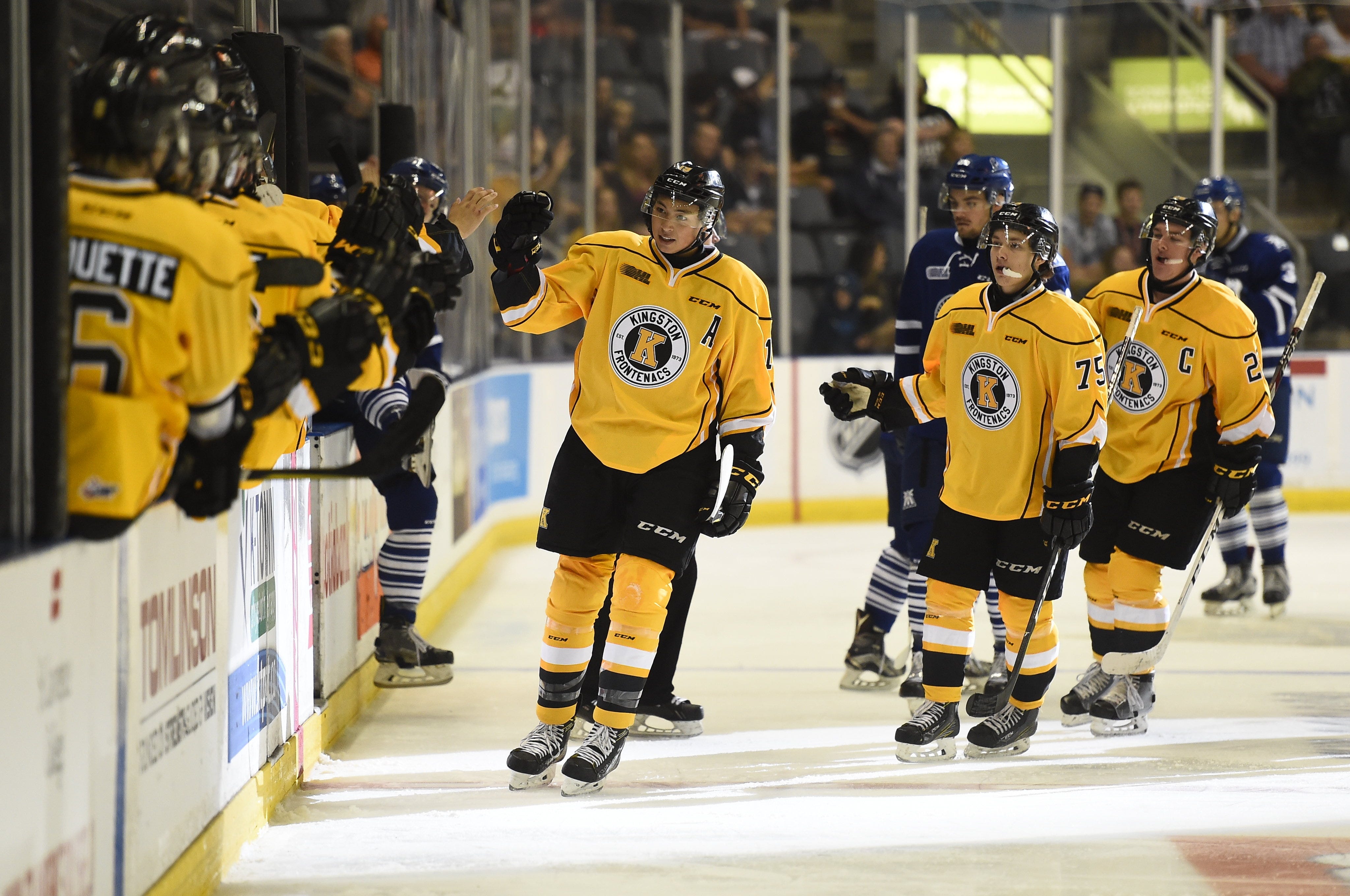
The Forty-Two Goal Threshold
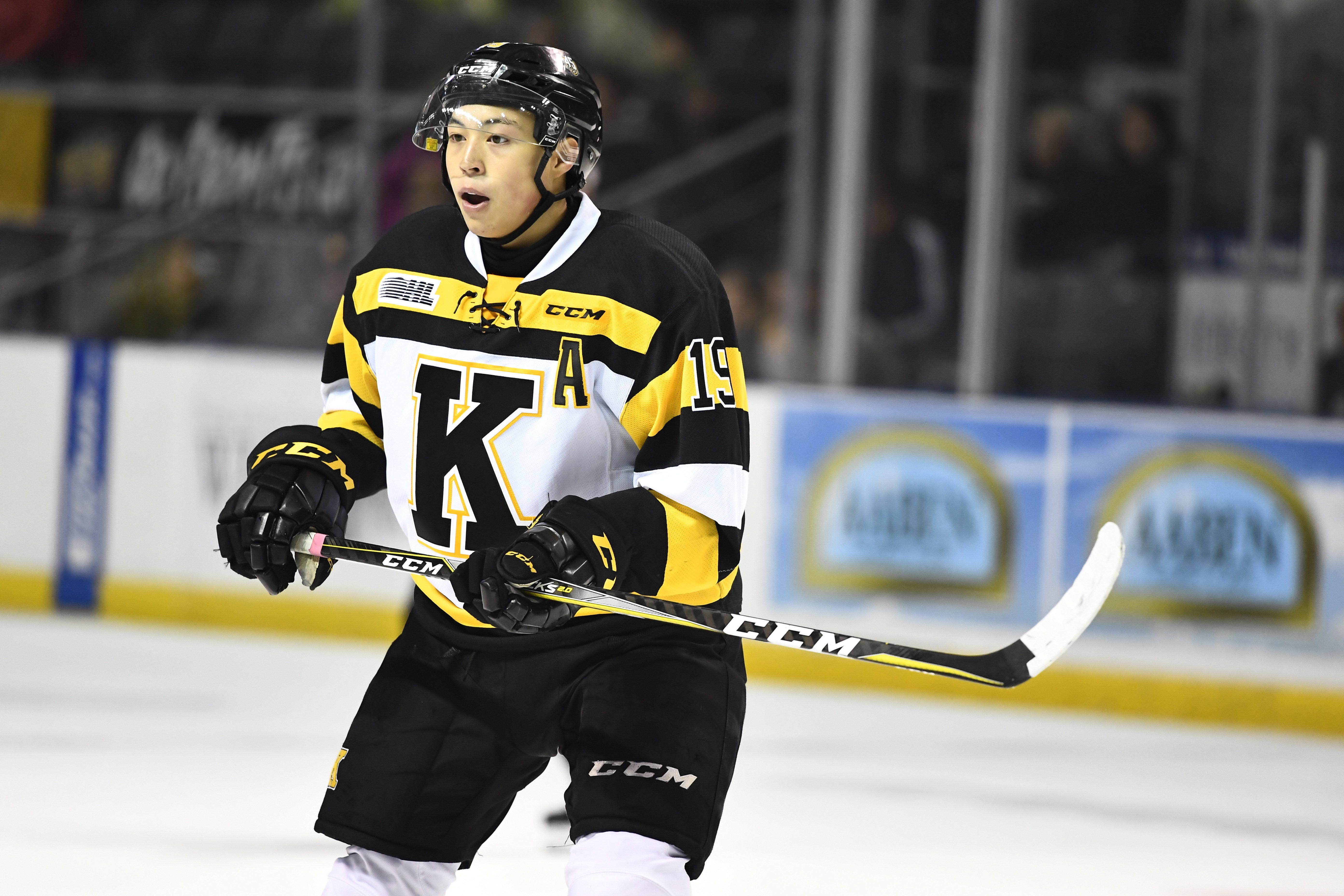
His sophomore season in Kingston brought an offensive jump that altered his draft profile. In 2016-17, Robertson produced 42 goals and 39 assists for 81 points in 68 games.
He became the primary focal point of the Kingston attack. Opponents shadowed him, but his heavy release beat goaltenders from sharp angles.
He disguised his release with short-range adjustments, pulling the puck tight to his frame to change the shooting angle.
“Obviously I like to up my game every year,” Robertson said. “I want to get better and when you get better the numbers get better.”
The scoring total drew attention, yet talent evaluators remained guarded. In November 2016, Future Considerations highlighted technical flaws in his stride.
The scouting service described him as an “opportunistic scoring winger” who “reads the game and adapts well but also has games where he becomes too focused on the puck and not the play around him.” The report noted that he “has deficiencies in his skating that will need correcting moving forward.”
Dominic Tiano of OHL Writers delivered a similar assessment.
“Robertson is a big bodied winger who uses his size to his advantage,” Tiano wrote. “His skating is a work in progress. He lacks a separation gear and quick first steps, but is okay once he gets to his top speed.”
Draft Day Hesitation
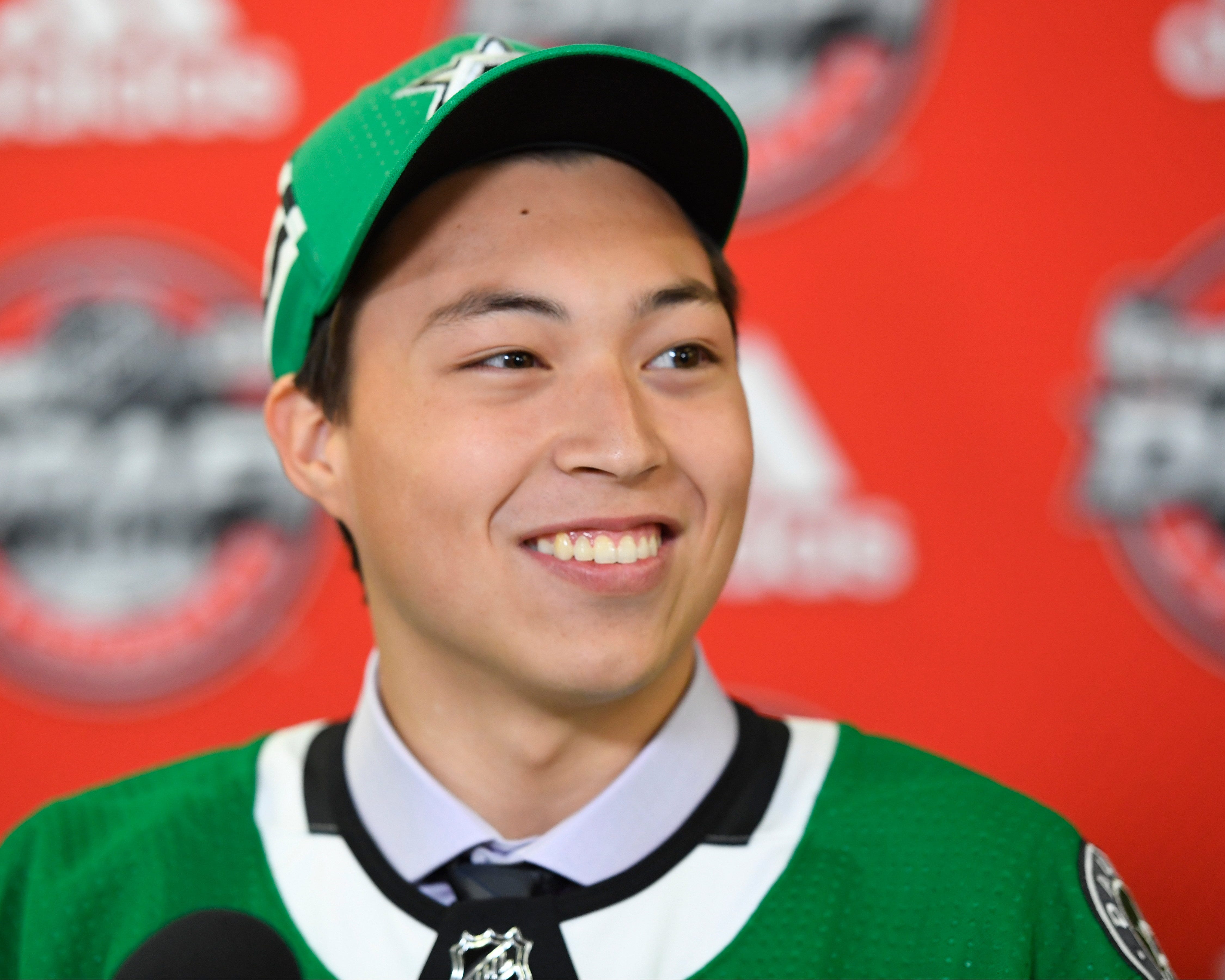
The 2017 National Hockey League Entry Draft in Chicago forced clubs to weigh junior production against mechanical flaws. Robertson entered the United Center with 42 goals, yet front offices hesitated over his skating stride.
First-round selections favoured straight-line pace. Robertson sat through Friday night’s opening round without hearing his name called.
The Dallas Stars halted his slide on Saturday morning during the second round. Dallas selected Robertson 39th overall.
The draft slot reflected both his scoring touch and league-wide doubts about his first three strides. Several clubs projected that his skating pace would stall against professional defencemen.
Dallas prioritized offensive processing over straight-line skating mechanics. The organization bet on his ability to think the game faster than opponents could skate it.
The Niagara Finish and the Scoring Crown
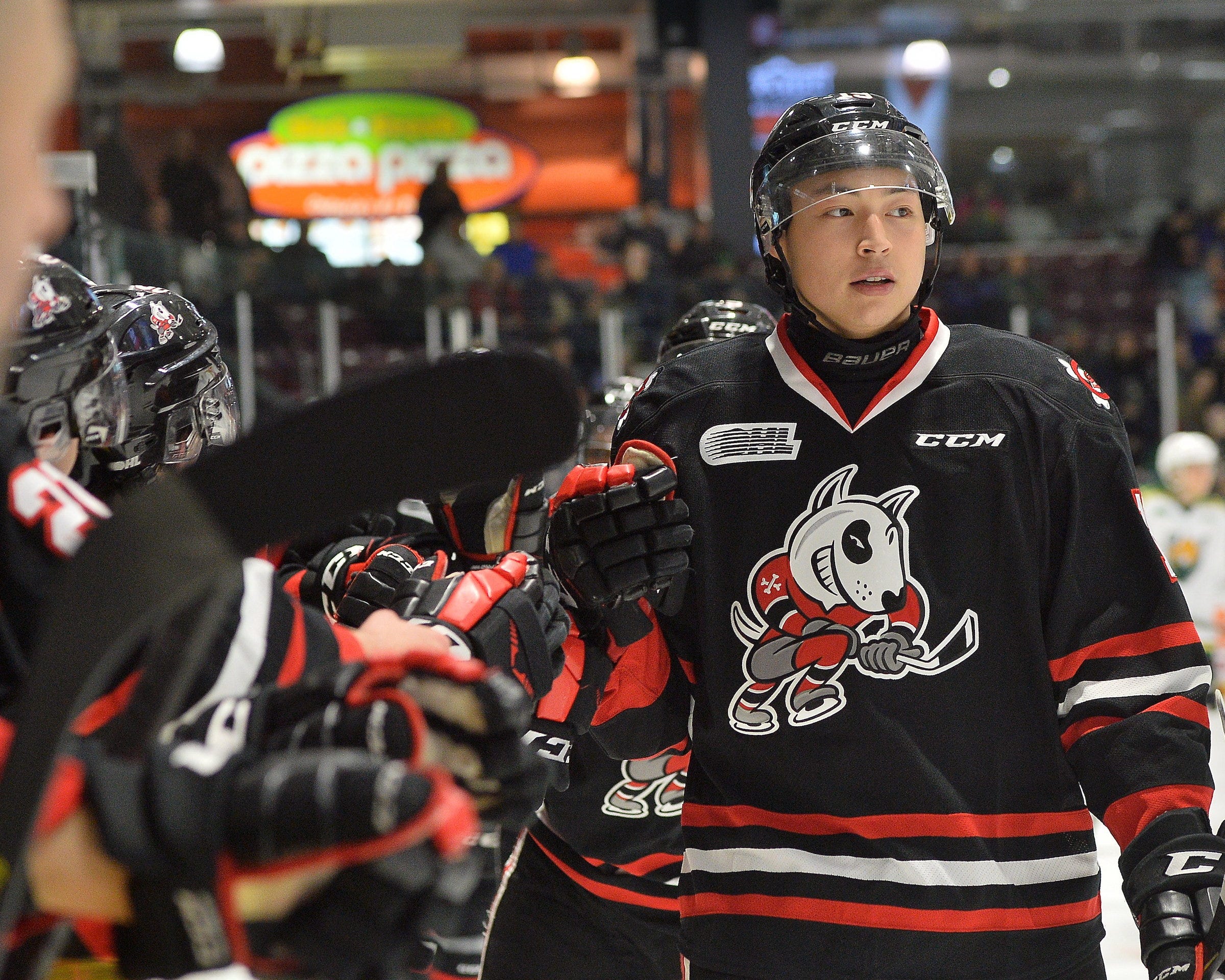
Kingston entered a rebuilding phase during the 2018-19 season. On Nov. 20, 2018, the Frontenacs traded Robertson and defenceman Jacob Paquette to the Niagara IceDogs for two players and 11 draft picks.
The move placed Robertson on a contender in St. Catharines. Niagara played a direct transition game that demanded pace across all three zones.
He adapted to the IceDogs’ systems upon arrival. He anchored the cycle down low and distributed pucks to open wingers off the rush.
He stepped away from the OHL schedule mid-season to represent the United States at the 2019 IIHF World Junior Championship. In seven tournament games, he recorded one goal and six assists for seven points on the way to a silver medal.
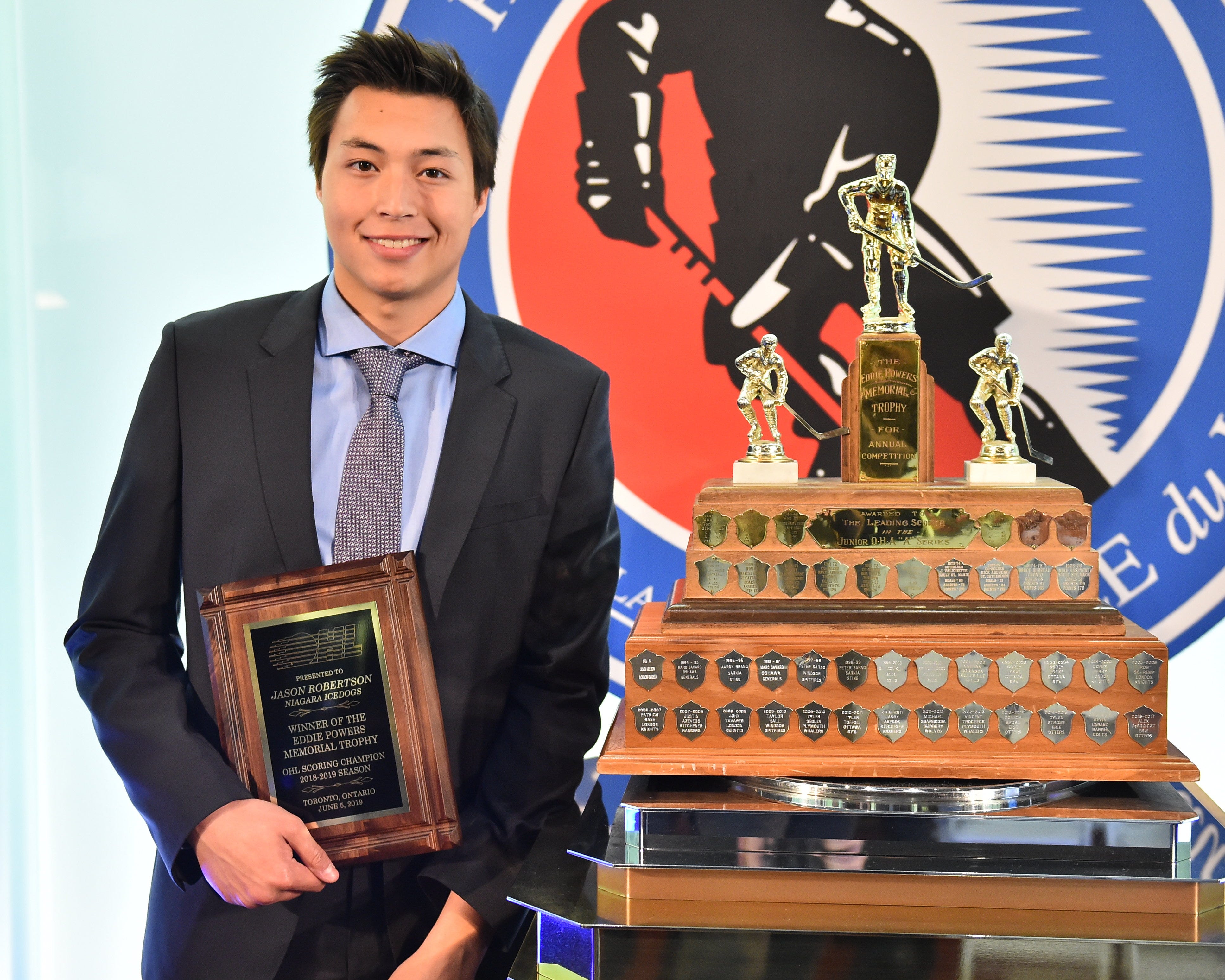
Back in the OHL, his offensive production led the province. Robertson captured the Eddie Powers Memorial Trophy as the OHL scoring champion, finishing with 48 goals and 69 assists for 117 points in 62 games.
Subscribe to HockeyDocs to receive deep-dive profiles and archival photography from major junior hockey history delivered to your inbox every week. Paid subscribers receive complete access to the 30 for 30 series, long-form monographs, and exclusive visual features from the vault.
Photos: Aaron Bell & Terry Wilson/OHL Images