
The blue line at Yardmen Arena never had much patience for showboats.
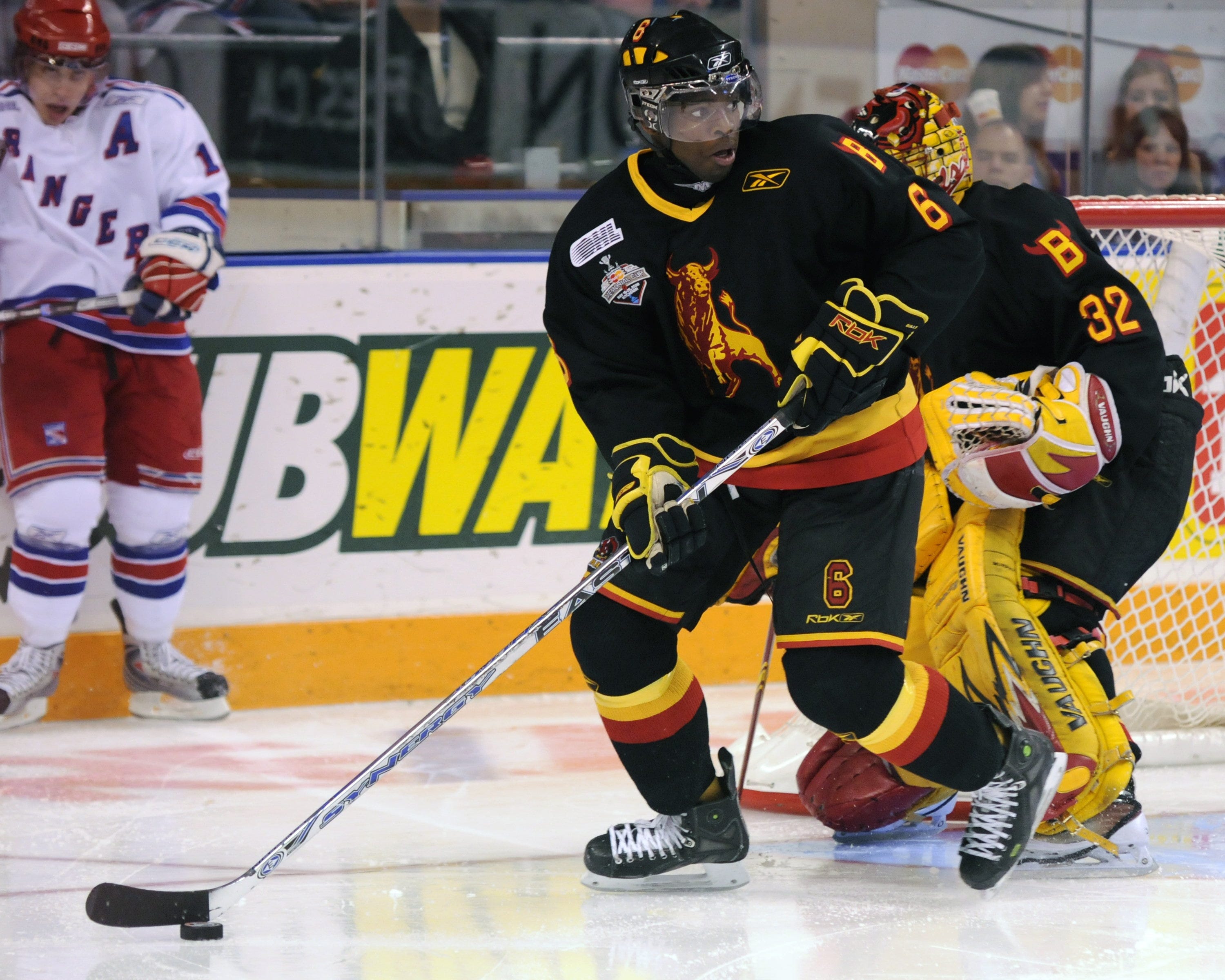
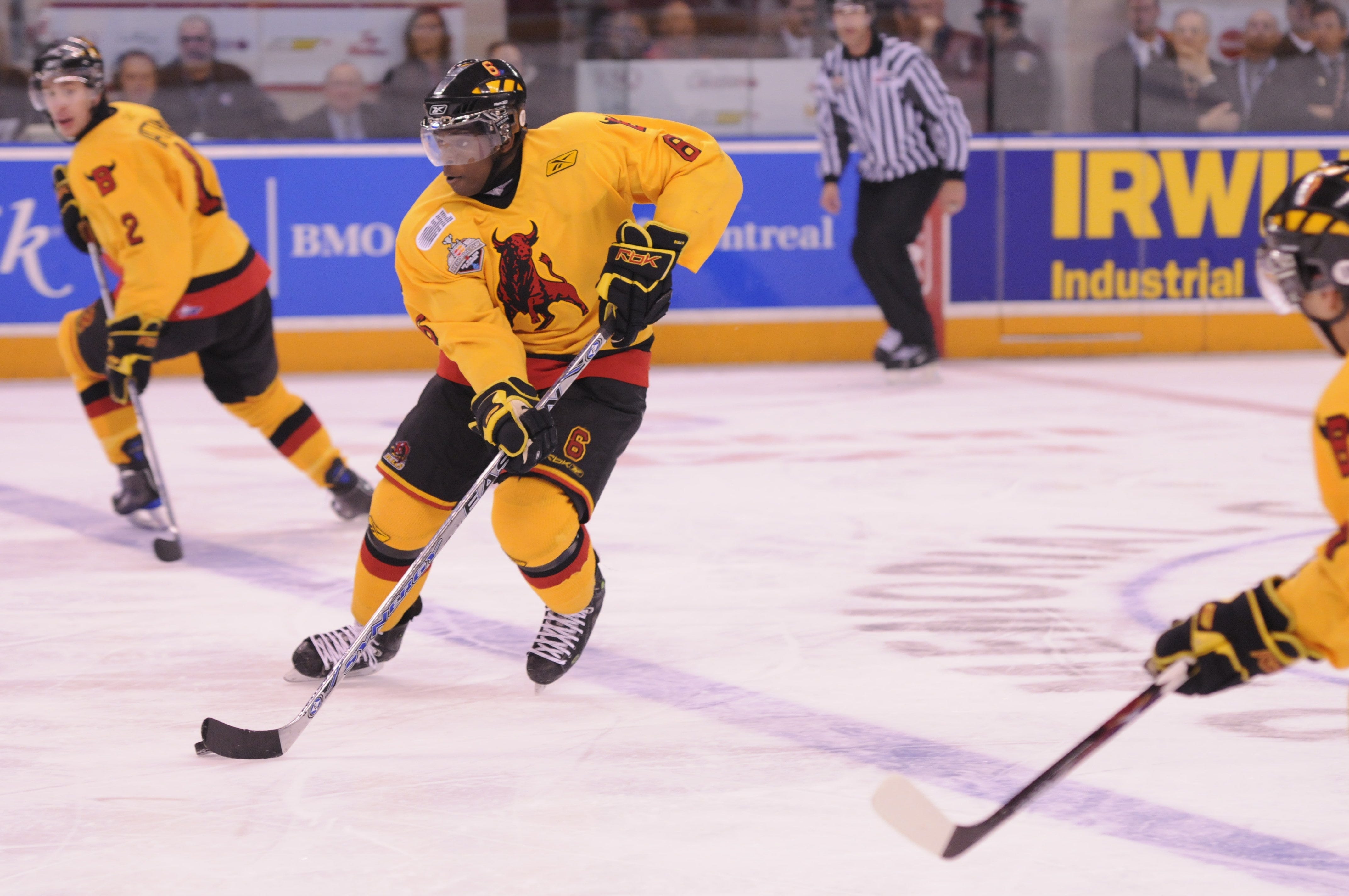
Under George Burnett, the Belleville Bulls played disciplined, structured, buttoned-down hockey. Then P.K. Subban took the ice, circled back into his own zone, and spun completely around an oncoming forechecker, turning what should have been a routine chip off the glass into a high-stakes, end-to-end rush.
Half the building gasped; the other half jumped out of their wooden seats.
On the bench, Burnett clenched his jaw. In the stands, scouts scribbled furiously in their notebooks, questioning whether a teenager with this much flair could ever be trusted at the professional level.
Subban didn’t care about their notebooks.
Long before he was an NHL superstar, he had already engineered a mindset that refused to compromise joy for caution.
The Sixth-Round Chip and the Ironclad Mindset
Most future franchise defensemen arrive in the Ontario Hockey League with royal fanfare. Subban arrived as an afterthought.
Selected in the sixth round—105th overall—in the 2005 OHL Priority Selection out of the Markham Islanders, he was passed over by every single team multiple times.
Scouts labeled him raw, high-risk, and far too flamboyant for a stay-at-home league.
Belleville Intelligencer sports reporter Paul Svoboda saw right through the initial skepticism.
“A lot of teams passed on him because he played for a crummy organization, and they thought he was too flamboyant of a player and not, you know, buttoned down, defensive enough for a defenseman,” Svoboda recalled. “To his credit, George saw the talent that was there. He’d rather have the puck than not, and sometimes the turnovers used to drive George nuts. But when you have the puck a lot, sometimes you’re going to lose it.”
Subban carried an unshakable philosophy about the risks that came with controlling the game.
“If you’re afraid of making mistakes, you should never play any sport,” Subban told Svoboda during his junior days. “I don’t care what level. If you’re afraid of mistakes, do something else.”
That edge didn’t come from arrogance; it came from an unyielding mental discipline drilled into him at home.
“Aside from the work that I did in the gym, I probably trained the most important muscle the most and the hardest,” Subban explained. “And that was my mind. And that was to push myself. The only way to do that was to put the responsibility on yourself to show up in those moments.”
The Mentors on Cannifton Road
Leaving home at 15 to live in a small junior hockey town could overwhelm an unguided teenager.
Subban grew up in a lively West Indian household with five kids, anchored by parents who prioritized character above sports. Walking into an older junior dressing room meant navigating expectations without his family standing directly behind him.
The Bulls coaching staff provided the guardrails he needed.
Assistant coach Jake Grimes immediately recognized Subban’s extraordinary drive and went to work channeling it into measurable, professional habits.
“Jake was always great at putting things in perspective and how he can get small wins—get a win today, get a win this week, get a win every month and build up to it,” Subban said. “And I remember when I got to my draft year, Jake was the one who helped put together my highlight tape to send to scouts.”
Burnett handled the details of turning a boy into a young man.
“My first exhibition game, I was a little bit nervous and I was in the change room hanging up my dress pants,” Subban remembered. “George Burnett walks by, sees me, and goes, ‘P.K., that’s not how you hang dress pants.’ He comes over and shows me—puts the seams together, folds them, and hangs it up. People don’t understand, you need that type of guidance and teaching.”
For Subban, following those standards was rooted in something far deeper than chasing pro contracts.
“The only thing that ever kept my nose clean, that ever kept me out of trouble, was I never, ever wanted to embarrass my parents,” Subban stated. “That means way more to me than what a GM thinks or a president thinks or coach thinks or an owner thinks. As long as I made my parents proud and they were happy with how I carried myself and represented the family, that is the only thing that mattered to me.”
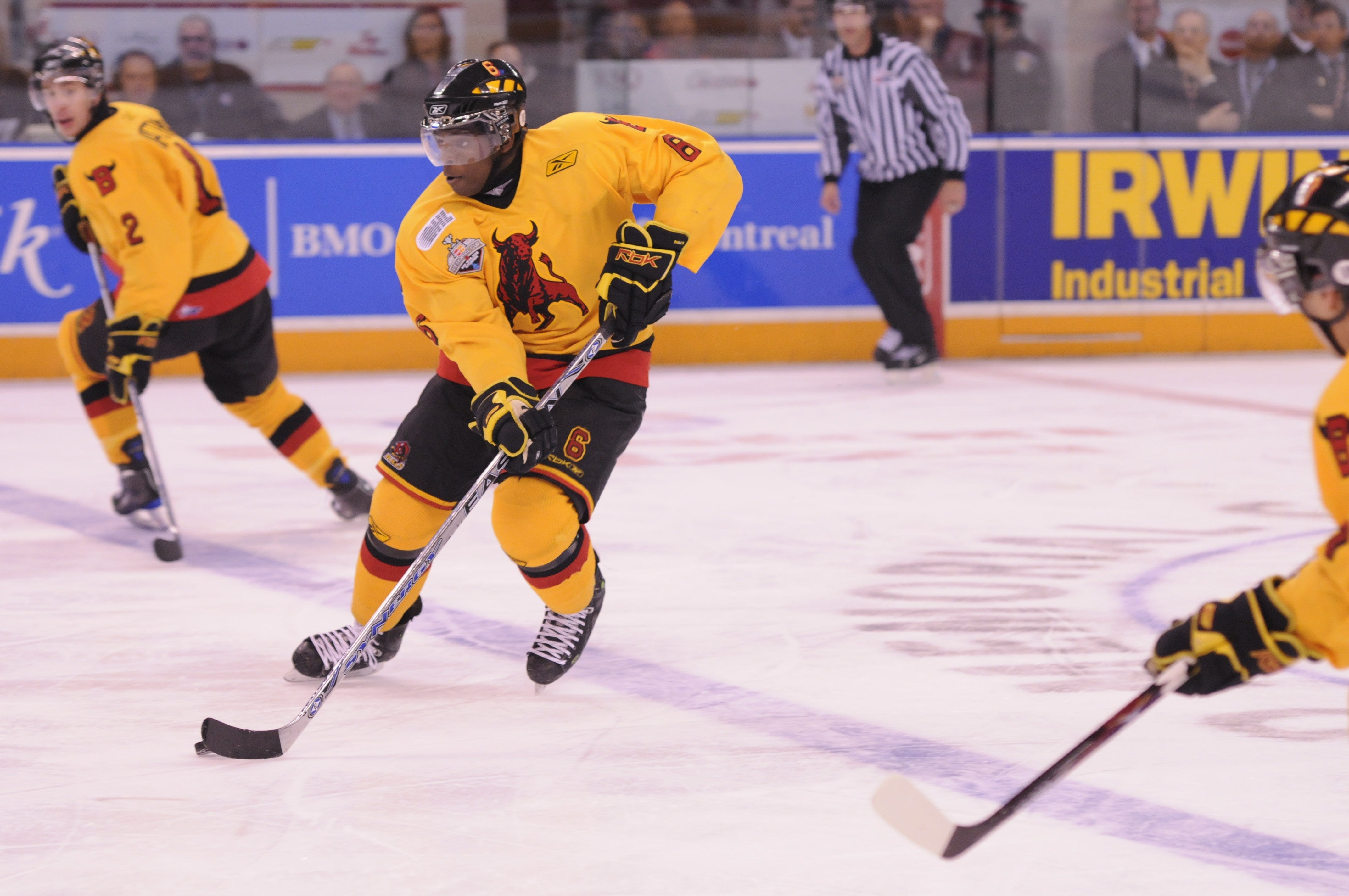
Big-Game Hunting on the National Stage
By his third year in Belleville, Subban had developed into a dominant force.
During the 2007–08 season, he racked up 46 points from the blue line, teaming up with captain Matt Beleskey and netminder Mike Murphy to lead the Bulls on a run to the OHL Finals and a berth in the 2008 Memorial Cup.
He wasn’t interested in compiling empty stats on quiet weeknights; he lived for the bright lights.
“Everybody gets rewarded for great regular seasons,” Subban reflected. “If you have a coach that loves you and puts you out there, you can get your cookies. But when all the bull crap and politics get pushed to the side is when that puck dropped in the playoffs or on any national stage. This is where you define yourself as the best. You’ve got to do it on the biggest stages. For me, I wanted to crush everybody in those moments. When the chips were on the table, I had to get a pound of flesh.”
That ruthless competitive drive made him an international standout.
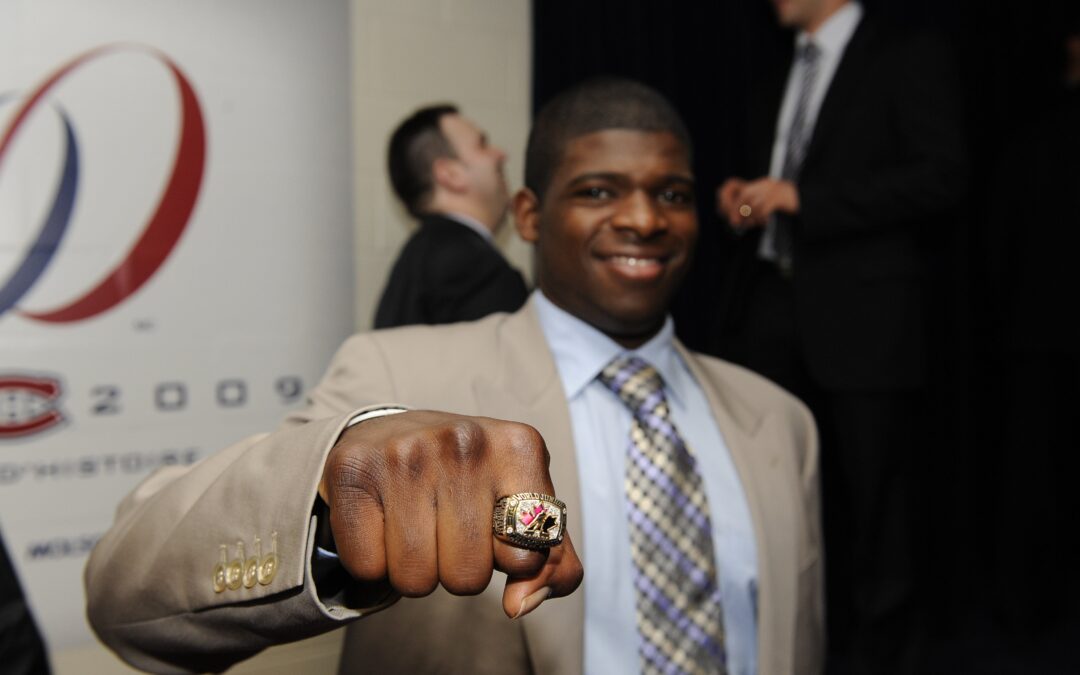
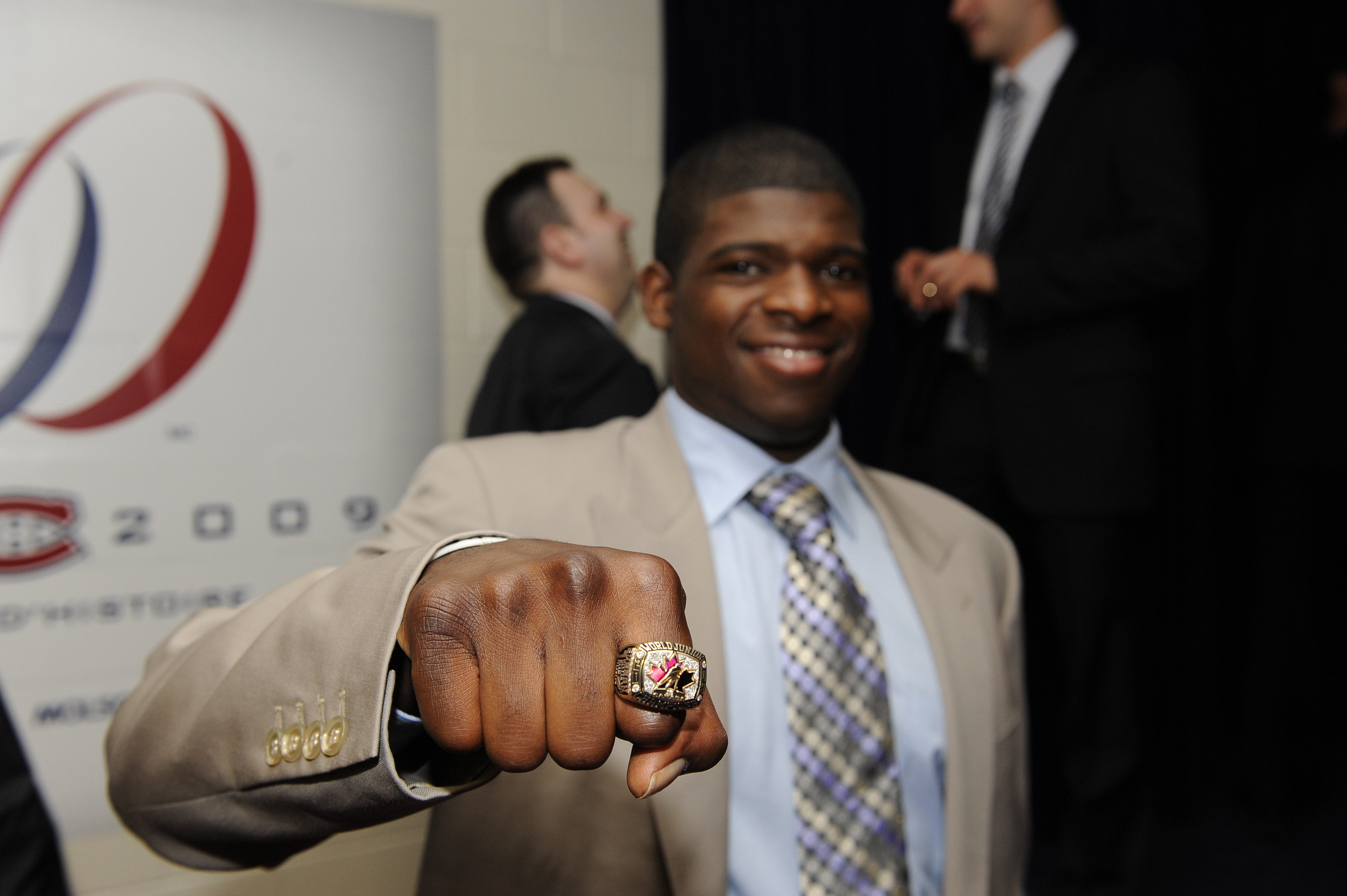
Subban anchored the Canadian blue line at back-to-back World Junior Championships, capturing gold in the Czech Republic in 2008 and dominating Ottawa’s Scotiabank Place in 2009.
Every time the pressure mounted, his game elevated.
By the time he finished his final year in Belleville, putting up 76 points in 56 games, the scouts who had once dismissed his flash were scrambling to rewrite their assessments.
Setting the Family Pipeline
Subban’s impact on Belleville went far beyond his own four seasons.
His time at Yardmen Arena paved the way for his brothers, turning Cannifton Road into an extended home for the Subban family.
“I remember in that ‘08 playoff run, seeing Malcolm and Jordan running around the rink—these little guys, who knew?” Svoboda remembered. “George and his parents, his dad was an educator in Toronto, and they were really happy how he got treated here. They loved the town. Their other two boys ended up playing here—Malcolm in goal and Jordan on the blue line. It was a real salute to the city and the organization that they wanted their kids to come here, one right after the other.”
Subban understood the weight of leading the way.
“I’m the oldest brother of three, right in the middle of five kids, and I got brothers and sisters that watch me and have seen everything I go through,” Subban noted. “Junior hockey to me, the reason why I was able to go through and benefit was because I was focused. You’re not going there to make friends. You are drafted to a semi-professional league because of your ability to play a sport that not everybody can play at that level. It’s on you whether you get to the next level or not.”
When he finally left Belleville for the Montreal Canadiens organization, Subban had broken the traditional OHL mold.
He proved that an electrifying, expressive personality could coexist with an unyielding work ethic.
In a blue-collar town built on hard checks and safe glass-and-out clears, P.K. Subban gave the Friendly City something they had never seen before: an unapologetic showman who backed up every single ounce of flair with pure, unrelenting competitive steel.
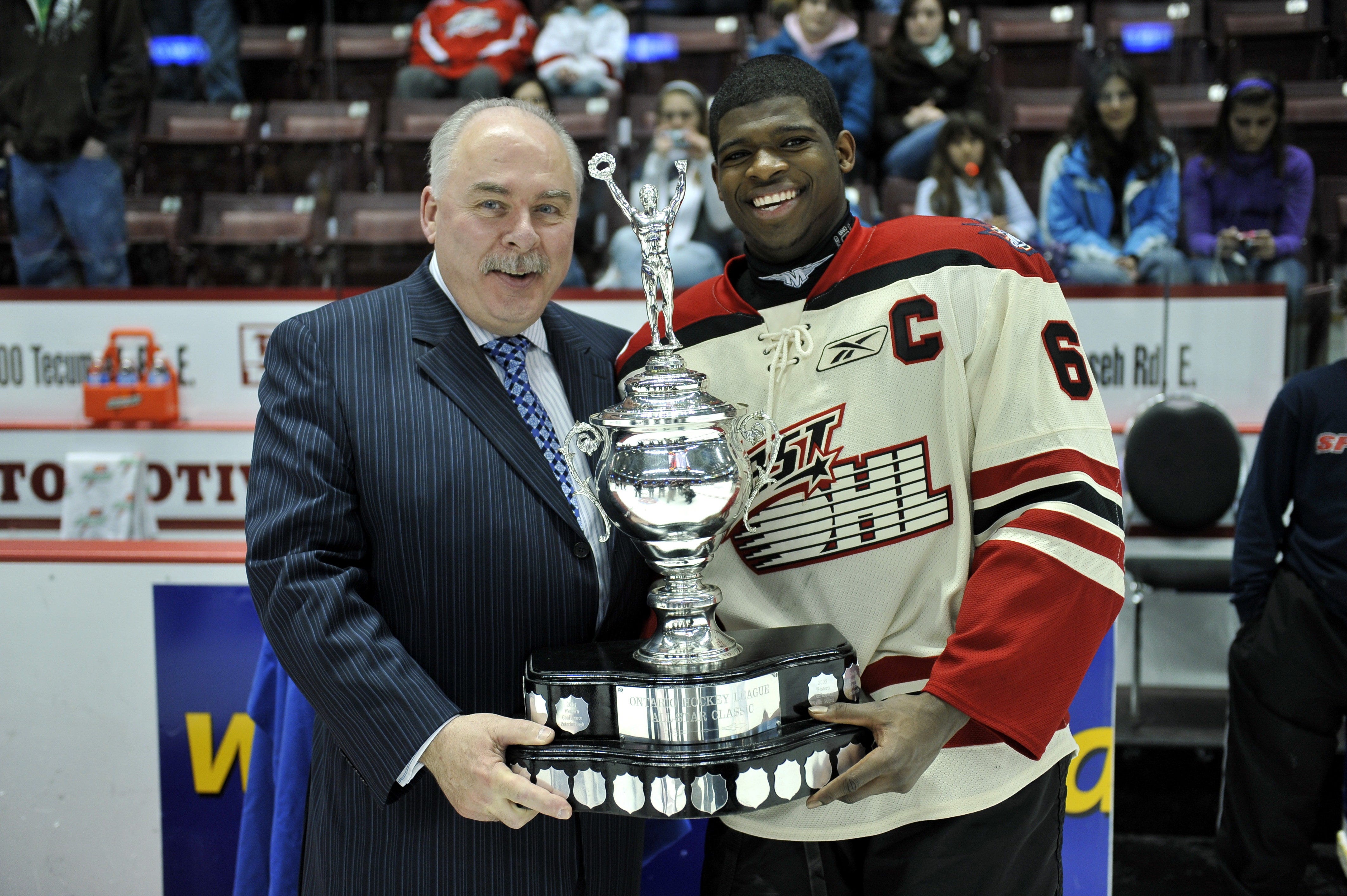
Photos: Aaron Bell/OHL Images